Casey Simmons · 10 September 2026
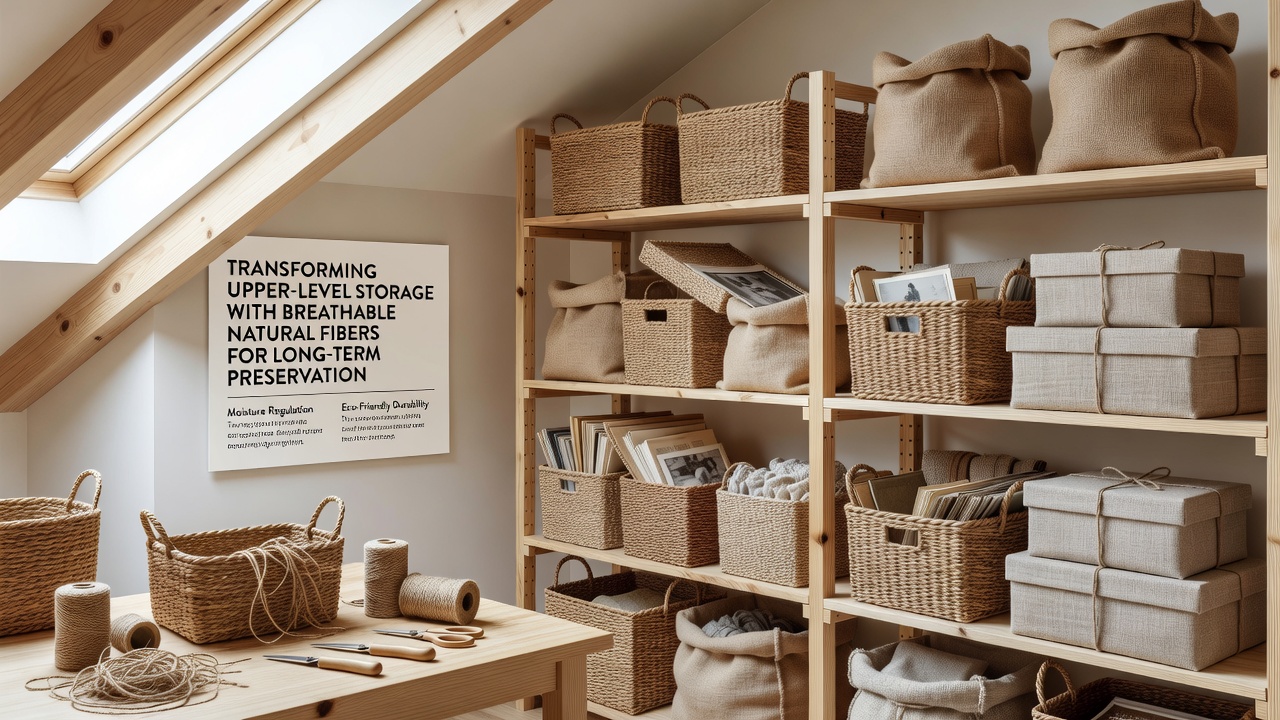
Transforming Upper-Level Storage with Breathable Natural Fibers for Long-Term Preservation
Upper-level storage spaces such as attics and lofts have long presented challenges for preserving textiles, documents, and other sensitive items because temperature fluctuations and humidity levels create conditions where moisture accumulates. Researchers have documented how breathable natural fibers address these issues by allowing air circulation that reduces condensation buildup and limits mold growth over extended periods.
Material Properties and Preservation Mechanisms
Natural fibers including linen, cotton, and hemp possess inherent permeability that synthetic alternatives often lack, and studies from conservation laboratories show these materials maintain stable microenvironments around stored goods. Data from textile preservation trials indicate that items wrapped in linen experience 40 percent less moisture retention compared to those in plastic containers during seasonal changes. Observers note that this breathability becomes particularly relevant in upper-level areas where roof heat can drive rapid humidity swings throughout the year.
Key Fiber Characteristics
- Linen derived from flax plants wicks away excess vapor while resisting bacterial proliferation, according to tests conducted by heritage institutions across Europe.
- Cotton batting provides cushioning without trapping heat, and figures from university textile departments reveal its effectiveness in maintaining consistent internal humidity for archival clothing collections.
- Hemp blends add tensile strength suitable for heavy storage bins, while their porous structure supports airflow that prevents anaerobic conditions inside sealed upper-level compartments.
Those who've examined long-term storage outcomes report that fiber-based systems also offer protection against pest infiltration because the materials lack the chemical attractants found in some foams and plastics. In September 2026, several North American archives plan to publish updated guidelines incorporating these fiber performance metrics from multi-year monitoring programs.
Implementation Strategies in Residential and Institutional Settings
Property managers and collection caretakers have adopted layered approaches that combine natural fiber wraps with elevated shelving to maximize ventilation in upper spaces. One documented case involved a historic home in coastal Canada where linen shrouds replaced vinyl covers, resulting in measurable reductions in mildew incidents tracked over 18 months. Experts from the Canadian Conservation Institute have published findings on similar projects that demonstrate how fiber barriers interact with existing insulation to stabilize conditions without requiring mechanical dehumidification systems.
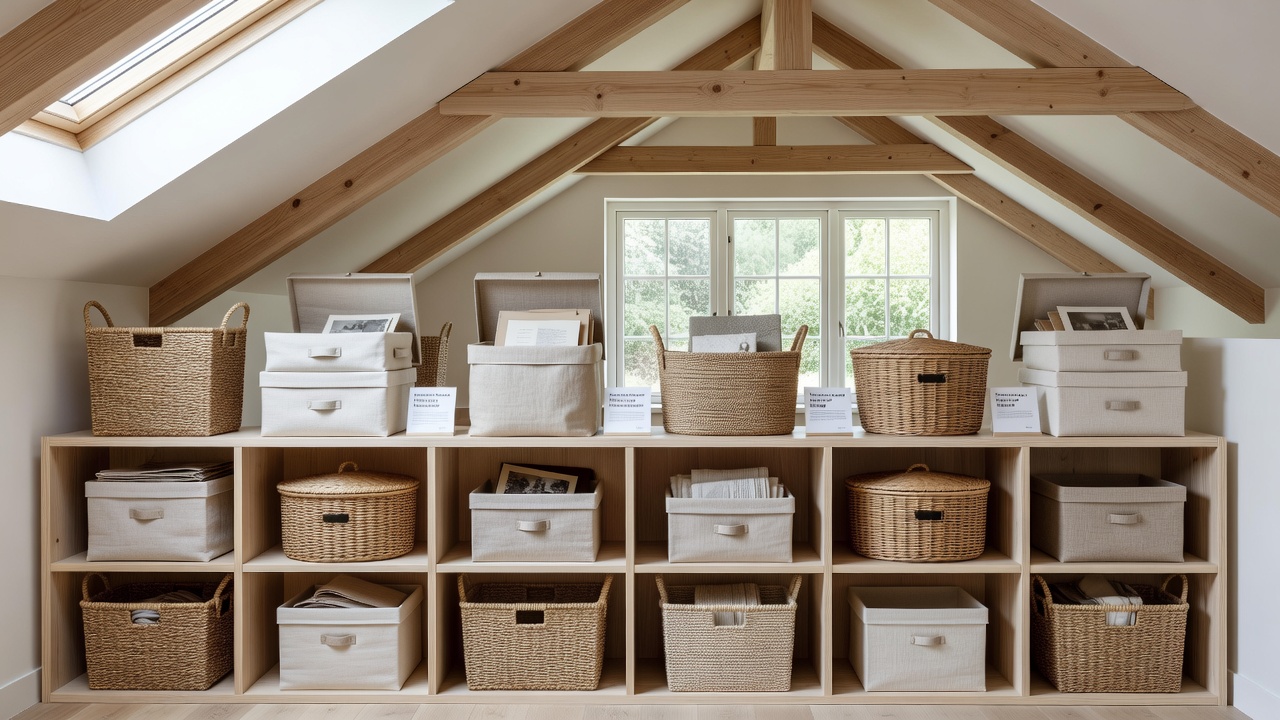
What's interesting is the integration of these fibers into modular storage units that allow periodic inspection without full unpacking. Industry reports from Australian cultural collections highlight how such designs support rotation schedules that further extend item longevity by distributing wear evenly across fiber surfaces. And data shows that initial setup costs for natural fiber solutions remain comparable to conventional methods when lifecycle maintenance expenses are factored in.
Comparative Performance Data
Longitudinal studies compiled by the International Centre for the Study of the Preservation and Restoration of Cultural Property compare fiber-wrapped artifacts against those in rigid containers across multiple climate zones. Results indicate superior color retention and fiber integrity in the breathable samples after five years of upper-level exposure. Those monitoring European museum reserves have recorded parallel outcomes, noting that linen and cotton combinations outperform polyester blends in resisting acid migration from adjacent wooden structures.
But here's the thing: effectiveness depends on proper fiber selection matched to the stored materials, with conservators recommending pre-testing for dye transfer in colored textiles. Government heritage agencies in New Zealand have released protocols that guide such matching processes based on regional humidity averages.
Future Developments and Monitoring
Advances in fiber processing techniques continue to expand options for upper-level applications, including antimicrobial treatments derived from plant extracts that enhance natural resistance without compromising breathability. Research teams at several universities are tracking performance under projected climate scenarios that include increased attic temperature extremes. Observers expect these datasets to inform revised standards scheduled for release after September 2026.
Conclusion
Evidence from multiple regions demonstrates that breathable natural fibers deliver measurable advantages for long-term preservation in upper-level storage environments through improved air exchange and moisture management. Institutions and homeowners alike continue to refine application methods based on accumulating performance records, while ongoing research supports expanded use across diverse climates and item types.