Casey Simmons · 24 September 2026
Examining Linen-Based Barriers for Reducing Humidity Effects on Stored Valuables in Roof Spaces
Roof spaces present unique challenges for preserving valuables because temperature swings create rapid humidity shifts that promote mold growth, warping, and corrosion on items ranging from documents to electronics and textiles. Linen-based barriers offer one approach to moderating these effects through their natural fiber structure, which allows controlled air exchange while absorbing excess moisture during peak periods and releasing it when conditions stabilize.
Research from material science laboratories indicates that linen fibers, derived from flax plants, possess a high moisture regain capacity compared to synthetic alternatives, often reaching 12 percent under standard testing conditions according to data compiled by the Getty Conservation Institute. This property stems from the cellulose composition that forms hydrogen bonds with water molecules, creating a buffer effect in enclosed environments like attics where ventilation remains limited.
Humidity Dynamics in Roof Spaces
Temperature differentials between day and night drive most humidity problems in roof spaces, as warm air rises and cools against roof surfaces, leading to condensation that settles on stored goods. Observers note that items placed directly on floorboards or near eaves experience the highest risk, while those elevated or enclosed show varied degradation rates depending on local climate patterns. Studies conducted across multiple regions reveal that uncontrolled humidity above 60 percent relative humidity accelerates chemical breakdown in paper and leather, whereas levels below 30 percent cause brittleness in organic materials.
Monitoring equipment installed in test attics across North America and Europe has recorded fluctuations exceeding 40 percent relative humidity within single 24-hour cycles during transitional seasons. These patterns intensify in September when cooling nights follow warmer days, creating ideal conditions for moisture accumulation on valuables that lack protective layers.
Characteristics of Linen Barriers
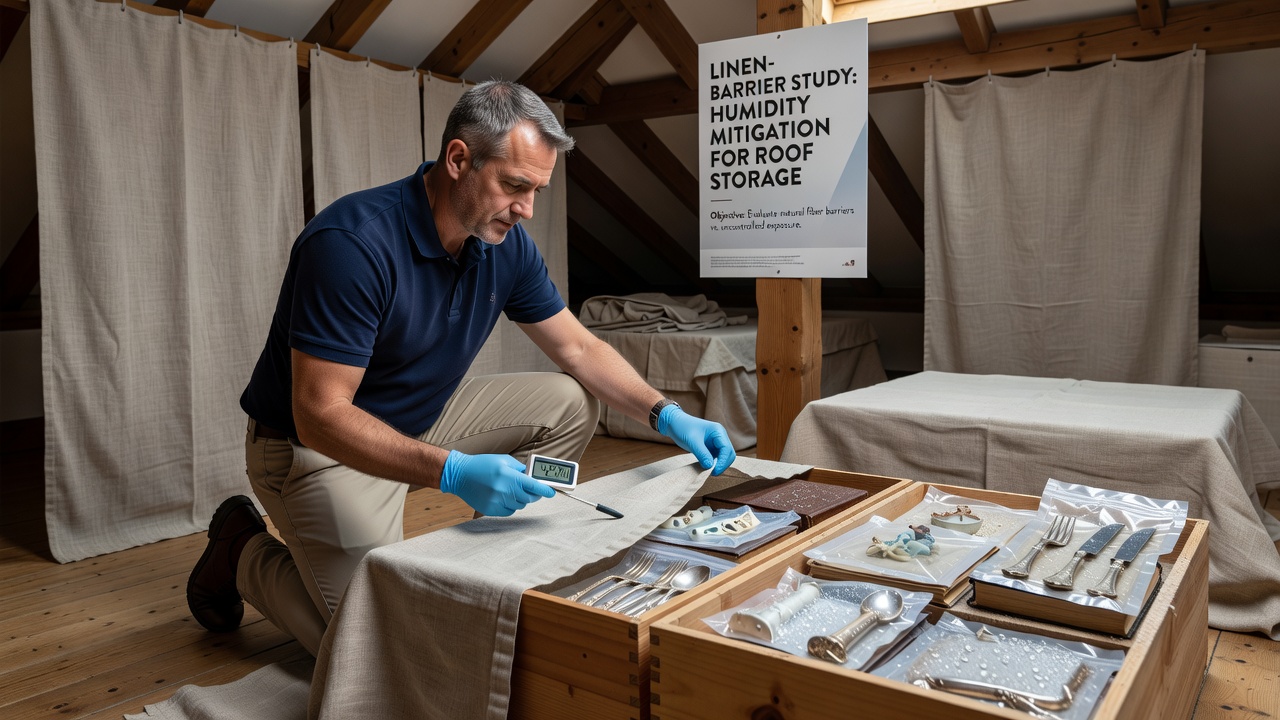
Linen barriers function by creating a semi-permeable layer that slows moisture transfer without sealing items in completely airtight conditions, which can trap existing humidity and foster anaerobic mold. The woven structure permits gradual vapor movement, and the fabric's natural antimicrobial qualities, linked to lignin content in flax, help inhibit microbial growth on the barrier itself. Data from textile performance trials shows linen maintains structural integrity after repeated humidity cycles, unlike cotton which degrades faster under similar stress.
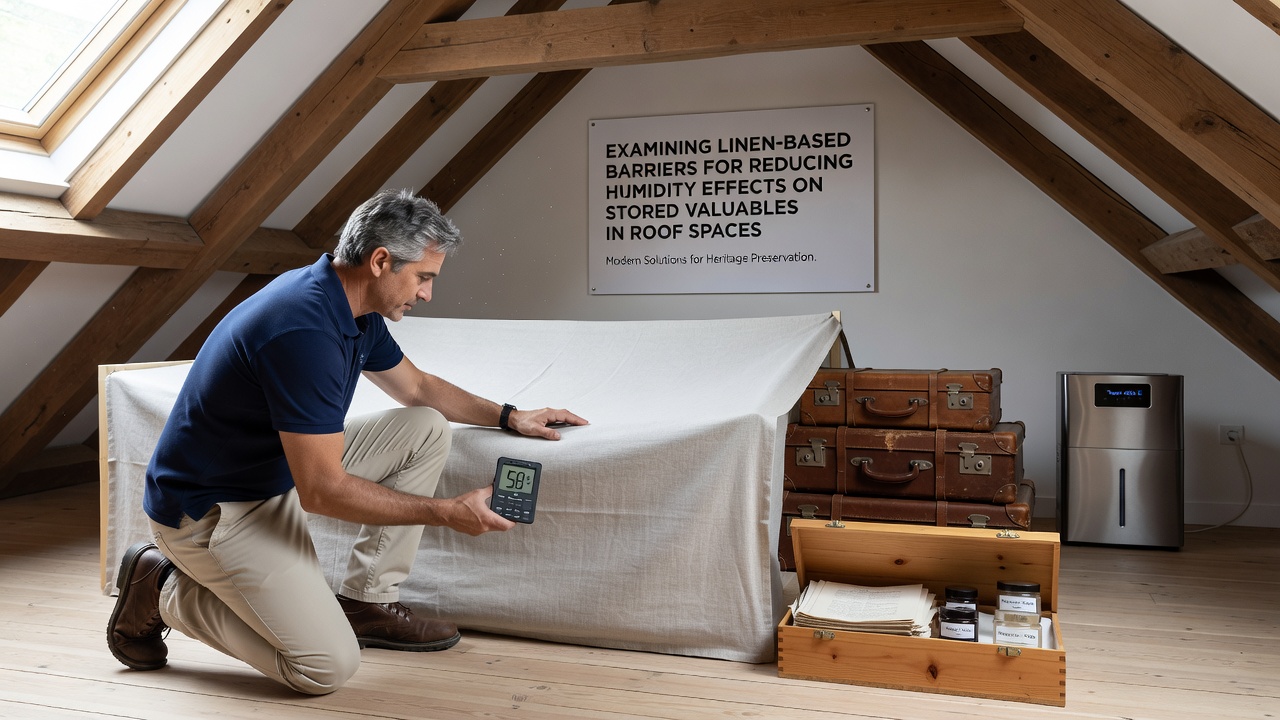
Installers typically position these barriers as covers or liners around shelving units, ensuring overlap at seams to minimize direct exposure while avoiding tight wrapping that restricts necessary airflow. Case documentation from heritage storage facilities demonstrates that linen performs consistently across temperature ranges common in roof spaces, from subzero winter conditions to summer peaks above 40 degrees Celsius.
Evidence from Controlled Evaluations
Comparative tests carried out by conservation researchers have measured lower corrosion rates on metal samples stored beneath linen barriers versus unprotected controls, with reductions in oxidation markers reaching measurable levels after six-month exposure periods. Similar evaluations on photographic prints and wooden artifacts indicate stabilized color retention and reduced cracking when linen layers are present. Australian heritage organizations have published findings showing linen barriers contribute to maintaining internal humidity variance within 10 percent in monitored roof space environments over extended periods.
Additional work from Canadian conservation programs highlights that combining linen with basic elevation of items off surfaces amplifies protective outcomes, as ground-level moisture sources become less influential. These results align with broader industry reports that emphasize breathable natural fibers for long-term storage solutions in variable climates.
Implementation Approaches
Practical application begins with assessment of existing roof space conditions, including insulation status and ventilation points, before selecting appropriate linen weights and weave densities. Users often layer barriers in multiple stages, starting with floor coverings and progressing to item-specific wraps, which allows incremental adjustments based on observed performance. Maintenance involves periodic inspection for dust accumulation or fabric wear, though linen resists tearing better than many alternatives under tension.
September 2026 saw the release of updated guidelines from international preservation networks that reference linen performance metrics in updated storage protocols for cultural collections housed in residential and institutional roof spaces. These updates incorporate sensor data from field sites and recommend integration with passive ventilation strategies rather than mechanical systems alone.
Conclusion
Linen-based barriers represent a targeted method for addressing humidity variability in roof spaces where valuables require protection without full environmental controls. Available evidence from multiple studies points to measurable benefits in moisture regulation and material longevity when these barriers receive proper installation and ongoing monitoring. Continued data collection from ongoing installations will further clarify optimal configurations across different geographic and structural contexts.